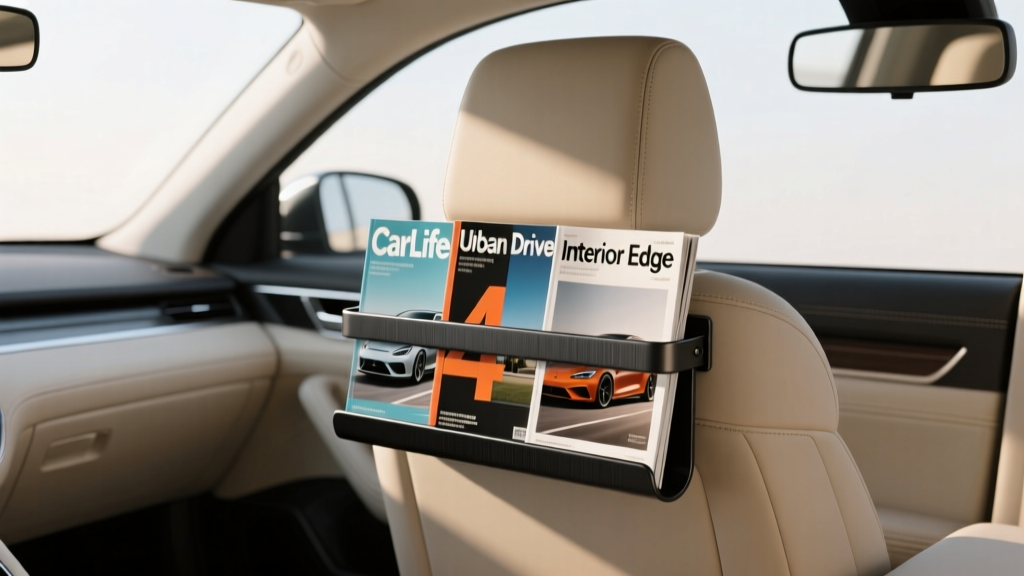
Budget-Friendly Magazine Rack Setup Options - CarInteriorMix
A tidy cabin feels better to drive in. When papers, mailers, kids? activity books, and charging cables start sliding around, the car quickly goes from ?daily driver? to ?rolling junk drawer.? A simple magazine rack setup?whether you?re actually carrying magazines or just using the format for storage?can make your interior feel calmer, safer, and easier to clean.
There?s another reason this topic matters: organization affects safety. Loose items can become projectiles in a sudden stop, and clutter around footwells can interfere with pedals. The good news is you don?t need premium accessories to get a premium-level result. With a few budget-friendly options and a little planning, you can build a magazine rack setup that looks intentional and works for your life.
This guide covers practical, low-cost magazine rack solutions for car interiors, where to place them, what to store, and how to install them without damaging your seats or trim.
What ?Magazine Rack? Means in a Car Interior
In home furniture, a magazine rack holds reading materials. In a car, it?s essentially a slim organizer designed to live:
- On the back of a front seat (most common)
- Between seats (center gap organizer)
- On a door pocket area (if the pocket is large enough)
- In the trunk side panel (for road trip materials)
Most drivers use these racks to store a mix of:
- Owner?s manual, registration copy (not originals if theft is a concern)
- Kids? coloring books, tablets, headphones
- Wet wipes, tissues, hand sanitizer
- Charging cords, power bank, sunglasses case
- Small first-aid kit and emergency items
Before You Buy: Choose the Right Location
Seat-Back vs. Center Console vs. Trunk
Where you mount your magazine rack setup impacts both usability and aesthetics.
- Seat-back rack: Best for families, rideshare drivers, and anyone carrying rear passengers. Easy access from the second row.
- Between-seat gap organizer: Great for front-seat clutter (phone, receipts, small book). Keeps items from falling into the ?seat gap abyss.?
- Trunk-side organizer: Ideal for road-trip supplies and emergency gear, especially in hatchbacks/SUVs where cargo moves around.
Quick Fit Checklist
- Seat type: Fixed headrest posts make headrest-strap racks easy. Integrated headrests may require buckle-only designs.
- Passenger habits: If rear passengers often kick seat backs, choose a durable, wipe-clean material.
- Safety: Keep storage away from airbags and ensure straps won?t interfere with seat movement.
- Climate: In hot climates, avoid low-quality plastics that warp or off-gas strongly.
Budget-Friendly Magazine Rack Setup Options (with Pros/Cons)
1) Basic Seat-Back Organizer with Pockets (Best All-Around)
This is the classic ?magazine rack? style: a flat panel that hangs from the headrest and sometimes anchors near the seat base.
- Typical price range: $10?$25
- Best for: Families, commuters, rideshare
- Pros: Lots of pockets, easy install, works in most vehicles
- Cons: Cheaper ones sag over time; some block rear vents if placed poorly
What to look for on a budget:
- Reinforced stitching on the top strap and pocket seams
- A semi-rigid backing (prevents drooping when loaded)
- Wipe-clean fabric (Oxford cloth or faux leather can be easy to maintain)
- Adjustable lower strap (reduces swinging)
2) Slim ?Magazine Sleeve? Seat-Back Rack (Best for Clean Minimal Look)
If you want something that looks closer to an OEM seat-back pocket, a slim sleeve is a strong budget option.
- Typical price range: $8?$18
- Best for: Drivers who want one main slot for magazines, papers, or a tablet
- Pros: Less visual clutter, less likely to be kicked
- Cons: Limited organization; heavier items can pull it down
Real-world example: If you keep a few car wash coupons, a small notebook, and a thin kids? book, a sleeve-style rack keeps things flat and prevents pages from curling.
3) DIY Elastic Strap ?Rack? (Cheapest and Surprisingly Effective)
This is a DIY setup using wide elastic, Velcro straps, or adjustable webbing to create a tensioned band on the seat back. It holds a magazine or tablet against the seat.
- Typical price range: $5?$12
- Best for: Minimalists, older cars, budget builds
- Pros: Ultra-low cost, customizable, quick to replace
- Cons: Not as polished; can slide if not tensioned correctly
Materials: 2-inch elastic band, hook-and-loop (Velcro) strips, and a basic sewing kit (or fabric adhesive rated for automotive heat).
4) Center Console Gap Organizer (Best for Front-Seat Paper Control)
These slide between the seat and center console, acting like a catch-all ?rack? for slim items.
- Typical price range: $12?$25
- Best for: Commuters, solo drivers, delivery drivers
- Pros: Stops phone/receipts from falling; easy access while parked
- Cons: Fit varies by vehicle; can interfere with seatbelt buckles in tight cabins
Tip: Measure the gap first. If your seat hugs the console tightly, a rigid organizer may not fit?choose a soft, compressible one.
5) Trunk Side Pocket or Hanging Cargo Organizer (Road Trip ?Magazine Rack?)
Not a seat-back solution, but a great budget-friendly way to store reading materials, maps, or activity packs without them sliding under groceries.
- Typical price range: $15?$35
- Best for: SUVs, hatchbacks, frequent travelers
- Pros: Keeps cabin cleaner; prevents loose cargo
- Cons: Not accessible while driving; adhesive versions can fail in heat
Step-by-Step: Installing a Seat-Back Magazine Rack (No Damage Method)
- Clean the seat back. Wipe the seat with a damp microfiber towel. Dirt under straps can grind into upholstery over time.
- Adjust the headrest (if removable). Lift it enough to thread the strap cleanly. If you have integrated headrests, skip to step 4.
- Attach the top strap. Loop around headrest posts and buckle it. Pull snug, but don?t deform leather or overstretch fabric.
- Align the panel. Center it horizontally. Check that it won?t block rear vents or the rear passenger?s knee space.
- Secure the lower strap (if included). Wrap it around the seat base or use the provided anchor points. This prevents swaying and reduces wear.
- Load smart. Put heavier items low and close to the seat. Keep the top pocket for light items (napkins, receipts).
- Test seat movement. Slide the seat forward/back and recline it. Confirm straps don?t snag on seat rails or trim.
Pro tip: If the rack slips, add a thin non-slip pad (like shelf liner) between the organizer and the seat back. It?s cheap and prevents creeping without adhesives.
Smart Storage Layout: What Goes Where
A magazine rack works best when you assign zones. Here?s a layout that keeps the cabin organized without turning the seat back into a bulky command center:
- Main sleeve (largest pocket): Magazines, slim workbook, tablet in a case
- Mid pockets: Wipes, tissues, small umbrella, snack bag (sealed)
- Small pockets: Charging cable, pen, parking cards, sunglasses cloth
- Avoid storing: Loose coins (rattle), heavy tools (projectile risk), anything that can melt or leak
Real-world example: For a family sedan, one seat-back rack behind the passenger seat can hold a coloring book and pencils in a case, wet wipes, a small trash bag roll, and a paperback?keeping the driver area cleaner and reducing ?can you hand me?? distractions.
Budget Product Recommendations (What to Compare)
Rather than chasing brand names, compare by features. Many budget organizers are made in the same factories with minor differences.
Best Budget Pick: Reinforced Fabric Seat-Back Organizer
- Choose if: You want multiple pockets and daily practicality
- Look for: Oxford fabric, reinforced top strap, lower stabilizer strap, semi-rigid backing
- Why it works: Holds shape better and wipes clean easily
Best Minimal Pick: Single-Sleeve Faux Leather Rack
- Choose if: You want an OEM-like look and only store flat items
- Look for: Soft backing so it doesn?t scuff the seat, strong stitching at stress points
- Why it works: Clean appearance, less clutter, easy wipe-down
Best for Front Seats: Soft Center Gap Organizer
- Choose if: Your main issue is items falling between the console and seat
- Look for: Compressible sides, a dedicated phone slot, no hard edges that rub leather
- Why it works: Adds storage without changing the look of the seat backs
Common Mistakes to Avoid
- Overloading the top pockets. Weight high up causes sagging and strap strain. Keep heavy items low.
- Blocking vents or rear climate controls. In some cars, a large organizer can cover rear console vents?bad for passenger comfort.
- Using adhesives on textured trim. Cheap adhesive pads fail in heat and leave residue. Prefer straps or headrest mounts.
- Ignoring airbag zones. Don?t mount anything near side curtain airbag deployment paths or on panels that can become hazards.
- Storing valuables in plain sight. A visible ?stuff pocket? can invite break-ins. Keep valuables out of the rack when parked.
- Letting items rattle. Use small pouches to group cables and pens, preventing noise and wear.
Maintenance Tips to Keep It Looking New
- Weekly reset: Toss receipts, remove trash, and re-stack papers flat.
- Monthly wipe-down: Mild interior cleaner on a microfiber towel; avoid soaking seams.
- Check straps: Tighten buckles and inspect for fraying, especially if kids tug on pockets.
- Seasonal swap: In winter, keep gloves and scraper cards handy; in summer, store sunscreen wipes (sealed) and microfiber cloths.
FAQ: Budget-Friendly Magazine Rack Setups
1) Will a seat-back magazine rack damage leather seats?
Most won?t if installed correctly. Clean the surface first, don?t overtighten straps, and avoid rough backing materials. If you?re cautious, place a thin microfiber towel or non-slip shelf liner between the organizer and the seat for added protection.
2) What?s the best option for cars with integrated (non-removable) headrests?
Look for organizers that use adjustable buckle straps around the seat itself (not headrest posts), or choose a center console gap organizer. Some ?universal? models specifically mention compatibility with integrated headrests.
3) How do I stop a budget organizer from sagging?
Use the lower stabilizer strap if it has one, keep heavy items low, and don?t overload. If sagging continues, add a thin plastic sheet or cutting mat trimmed to size inside the back panel (a simple DIY stiffener).
4) Are DIY magazine rack setups safe?
They can be, as long as they don?t interfere with seat rails, seatbelts, or airbags, and they secure items so they don?t fly forward during hard braking. Avoid storing heavy objects in any improvised pocket system.
5) Should I keep vehicle documents in the rack?
Keep the owner?s manual there if you like, but be careful with sensitive documents. Many drivers store a photocopy of registration and insurance info and keep originals in a more secure place to reduce theft risk.
6) What?s the best setup for rideshare drivers?
A reinforced seat-back organizer behind the front passenger seat works well: it gives passengers access to tissues/wipes and keeps your front area tidy. Choose a design that looks clean and professional and is easy to sanitize.
Your Next Steps: Build a Cleaner, Safer Cabin on a Budget
Start by picking the location (seat-back, center gap, or trunk), then choose a rack style that matches your storage habits. Install it with straps (skip adhesives), load heavier items low, and do a quick weekly reset to keep it from turning into another clutter zone.
If you want the fastest win, a basic reinforced seat-back organizer plus a small pouch for cables covers most daily needs without spending much. For a cleaner look, a slim sleeve rack keeps papers and magazines flat and out of the way.
For more practical car interior upgrades, cleaning routines, and organizer ideas, explore the latest guides on carinteriormix.com.